Sustainable Production Basics for Resource Efficiency and Green Manufacturing
Sustainable production refers to manufacturing practices that minimize environmental impact while optimizing the use of resources such as energy, water, and raw materials. It focuses on producing goods efficiently without compromising the ability of future generations to meet their needs. Green manufacturing, a key component of sustainable production, integrates eco-friendly technologies, waste reduction strategies, and responsible sourcing into industrial processes.
This topic has gained significant importance in recent years due to climate change concerns, rising resource costs, and stricter environmental regulations. Industries are increasingly required to reduce carbon emissions, manage waste responsibly, and improve operational efficiency. Governments and global organizations are also promoting sustainability through policies, incentives, and reporting requirements.
Recent trends show a growing shift toward circular economy models, where materials are reused, recycled, or repurposed instead of being discarded. Advances in digital technologies, such as IoT and data analytics, are enabling real-time monitoring of resource usage, helping manufacturers make informed decisions. As sustainability becomes a strategic priority, understanding its fundamentals is essential for modern manufacturing systems.
Who It Affects and What Problems It Solves
Sustainable production impacts a wide range of stakeholders, including manufacturers, supply chain managers, policymakers, and consumers. Industries such as automotive, textiles, electronics, and packaging are particularly influenced due to their high resource consumption and environmental footprint.
Small and medium enterprises (SMEs) are increasingly adopting sustainable practices to remain competitive and meet regulatory requirements. Large corporations are integrating sustainability into their core strategies to enhance brand reputation and ensure long-term operational stability. Consumers are also playing a role by preferring environmentally responsible products, influencing production practices across industries.
Problems It Solves
- Resource Depletion: Optimizes the use of raw materials, water, and energy.
- Environmental Pollution: Reduces emissions, waste, and harmful by-products.
- High Operational Costs: Improves efficiency, leading to cost savings over time.
- Regulatory Compliance Challenges: Helps industries meet environmental standards.
- Waste Management Issues: Encourages recycling, reuse, and circular production models.
Recent Updates and Trends
Sustainable production has seen significant developments in the past year:
- Net-Zero Commitments (2025–2026): Many industries are setting measurable targets to reduce carbon emissions.
- Circular Economy Adoption: Increased use of recycled materials and closed-loop manufacturing systems.
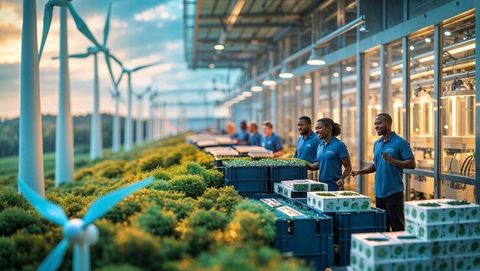
- Green Energy Integration: Growing reliance on renewable energy sources such as solar and wind in manufacturing plants.
- Digital Sustainability Tools: Use of IoT sensors and analytics for tracking energy and resource consumption.
- Eco-Friendly Materials: Development of biodegradable and low-impact materials across industries.
These trends reflect a broader transition toward environmentally responsible and economically efficient production systems.
Sustainable Production Methods Comparison
| Method/Approach | Description | Resource Efficiency | Environmental Impact | Key Benefit |
|---|---|---|---|---|
| Lean Manufacturing | Eliminates waste in production processes | High | Moderate | Improves efficiency and reduces cost |
| Circular Manufacturing | Reuses and recycles materials | Very High | Low | Minimizes waste and resource use |
| Energy-Efficient Systems | Uses optimized machinery and processes | High | Low | Reduces energy consumption |
| Cleaner Production | Reduces emissions and pollutants | High | Very Low | Enhances environmental compliance |
| Green Supply Chain | Sustainable sourcing and logistics | Medium to High | Low | Improves overall sustainability |
Laws and Policies
Sustainable production is strongly influenced by environmental regulations and government initiatives aimed at reducing industrial impact.
Key Regulatory Areas
- Environmental Protection Laws: Mandate emission control, waste management, and pollution reduction.
- Energy Efficiency Standards: Encourage industries to adopt energy-saving technologies.
- Waste Management Regulations: Promote recycling and responsible disposal of industrial waste.
- Carbon Reporting Requirements: Require companies to measure and disclose emissions.
Practical Guidance
- Adopt energy-efficient machinery to comply with regulatory standards and reduce costs.
- Implement waste reduction and recycling programs within production facilities.
- Use renewable energy sources where feasible to lower carbon footprint.
- Maintain proper documentation and reporting to meet compliance requirements.
Tools and Resources
Several tools and resources support sustainable production practices:
Digital Tools
- Energy Management Systems (EMS): Monitor and optimize energy usage.
- Lifecycle Assessment (LCA) Software: Evaluate environmental impact of products.
- IoT-Based Monitoring Systems: Track real-time resource consumption.
Operational Resources
- Waste auditing tools for identifying inefficiencies
- Process optimization frameworks such as lean manufacturing
- Environmental management systems (e.g., ISO standards)
Educational and Industry Resources
- Government sustainability guidelines and programs
- Industry best practices and research publications
- Training programs on green manufacturing techniques
Frequently Asked Questions (FAQ)
What is sustainable production?
Sustainable production involves manufacturing processes that minimize environmental impact while efficiently using resources such as energy, water, and raw materials.
How does green manufacturing improve efficiency?
It reduces waste, optimizes resource usage, and incorporates energy-efficient technologies, leading to improved operational performance.
What is the difference between lean and sustainable production?
Lean production focuses on eliminating waste for efficiency, while sustainable production includes environmental and social considerations along with efficiency.
Are sustainable production methods cost-effective?
While initial investments may be higher, long-term savings are achieved through reduced energy use, waste, and regulatory penalties.
How can small businesses adopt sustainable practices?
They can start with basic steps such as reducing waste, using energy-efficient equipment, and sourcing eco-friendly materials.
Conclusion
Sustainable production is a critical component of modern manufacturing, enabling industries to balance economic growth with environmental responsibility. Data and industry trends indicate that adopting resource-efficient practices not only reduces environmental impact but also enhances operational efficiency and long-term profitability.
As regulations become stricter and resource costs continue to rise, integrating sustainable practices is no longer optional but essential. Approaches such as circular manufacturing, energy optimization, and green supply chain management provide practical pathways for improvement.
In conclusion, sustainable production offers a comprehensive framework for achieving efficient, compliant, and environmentally responsible manufacturing. Organizations that adopt these practices are better positioned to meet future challenges while contributing to global sustainability goals.