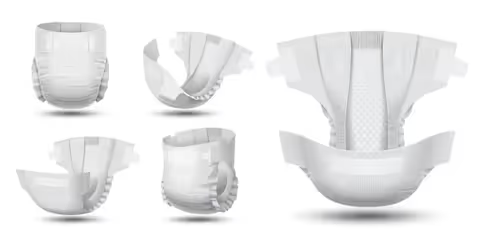
Baby Diaper: How to Choose the Right Diapers for Your Baby
Choosing a suitable baby diaper is an important part of everyday infant care. Parents need to consider comfort, absorbency, fit, material, and ease of changing when comparing different diaper products. With disposable diapers, reusable cloth diapers, diaper pants, and newborn-specific options available, understanding their differences can make product selection easier.
A suitable diaper should fit properly, absorb moisture effectively, and allow the baby to move comfortably. This article explains the main types of baby diapers, how to select the right size, what features to compare, and how to manage everyday diaper care.
What Is a Baby Diaper and How Does It Work?
A baby diaper is an absorbent garment designed to collect and retain urine and stool. It helps keep clothing and surrounding surfaces clean while making infant care more manageable.
Most disposable baby diapers contain several layers:
Top sheet: The layer that touches the baby's skin and allows liquid to pass through.
Absorbent core: The central section that absorbs and retains moisture.
Outer protective layer: Helps prevent liquid from leaking onto clothing.
Fastening system: Adhesive tabs or other fasteners help secure the diaper around the waist.
Elastic edges: Help provide a closer fit around the legs and reduce leakage.
Reusable cloth diapers use washable fabric layers and may include removable absorbent inserts. Their construction varies according to the design.
What Are the Different Types of Baby Diapers?
Understanding diaper types can help parents compare products based on their daily routines and requirements.
1. Disposable Baby Diapers
Disposable diapers are designed for single use and are commonly available in different sizes and absorbency levels. They are convenient for travel, daycare, and everyday use because they do not require washing.
When comparing disposable baby diapers, check the absorbent core, fastening system, fit, material information, and package size.
2. Baby Diaper Pants
Baby diaper pants have a pull-on design that resembles underwear. They can be convenient for babies who move frequently during changing.
Parents should check the waist elasticity, leg openings, size recommendations, and ease of removal. The right fit should be secure without being excessively tight.
3. Reusable Cloth Diapers
Reusable cloth diapers are washable products made from materials such as cotton or other fabrics. Some designs include pockets, inserts, or waterproof outer covers.
They require regular washing, drying, and appropriate storage. Their overall suitability depends on household laundry facilities, cleaning routines, and the number of diapers available.
4. Overnight Baby Diapers
Overnight diapers are designed for use during longer periods, with product features focused on moisture absorption and leakage management.
Parents should still change a wet or soiled diaper when needed rather than relying only on the product's advertised overnight capacity.
5. Newborn Diapers
Newborn diapers are designed for smaller babies and often include features intended to accommodate the newborn stage. Some products have a specially shaped front section around the umbilical cord area.
Always check the manufacturer's weight range and fit recommendations rather than selecting a newborn diaper based only on age.
How to Choose the Right Baby Diaper Size
Diaper size is an important factor when comparing baby diapers. A diaper that is too small may feel restrictive, while an oversized diaper may not provide a suitable fit.
Manufacturers generally provide weight ranges for each size. These ranges can vary between brands and product designs.
Consider the following points:
Check the baby's current weight against the package size chart.
Make sure the waistband fits comfortably.
Check that the leg openings are secure without digging into the skin.
Look for frequent leakage or gaps around the waist and legs.
Review fit again as the baby grows.
If the diaper leaves persistent red marks, feels restrictive, or leaks frequently, check the size and fastening position. A different size or design may be more suitable.
7 Important Features to Compare Before Choosing Baby Diapers
Parents may find it useful to compare product specifications rather than relying only on packaging claims.
1. Absorbency
Absorbency determines how effectively a diaper takes in and retains moisture. Compare the manufacturer's product information and look for leakage-related details.
2. Material and Skin Contact
Check the materials used in the top sheet and other layers. Parents whose babies experience irritation may wish to review fragrance, lotion, and other ingredient information.
No diaper can guarantee that a baby will never develop skin irritation.
3. Fit and Flexibility
A well-fitting diaper should stay in place while allowing comfortable movement. Check the waist and leg areas whenever changing the diaper.
4. Leakage Protection
Look for secure fastening, suitable elastic edges, and an absorbent core. Leakage can also occur because of incorrect sizing, positioning, or delayed changing.
5. Ease of Changing
Adhesive-tab diapers and pull-on diaper pants have different changing methods. Consider which design is practical for the baby's age and the caregiver's routine.
6. Package Quantity and Price
Baby diaper price comparisons should consider the number of diapers in each pack, the size, and the cost per diaper.
A larger package does not automatically provide better value if the baby may outgrow that size before the pack is finished.
7. Product Information and Standards
Review manufacturer details, usage instructions, material declarations, and applicable product standards. In India, IS 17509:2021 covers specifications for disposable baby diapers, including product construction and performance requirements.
Disposable Diapers vs Reusable Cloth Diapers
Both options have different practical considerations.
| Feature | Disposable diapers | Reusable cloth diapers |
|---|---|---|
| Usage | Single use | Washed and reused |
| Cleaning | No washing required | Regular washing required |
| Preparation | Usually ready to use | May need inserts or covers |
| Storage | Requires disposal | Requires laundry storage |
| Initial planning | Package selection | Number of diapers and washing routine |
| Travel | Convenient to carry | Requires used-diaper storage |
Some households use both types depending on the occasion. For example, disposable diapers may be used during travel, while cloth diapers may be included in a home washing routine.
How Often Should You Change a Baby Diaper?
Diapers should be checked regularly and changed when wet or soiled. Newborns may require frequent changes, while older babies may need fewer changes depending on feeding, sleep, and individual routines.
Basic diaper-care practices include:
Wash your hands before and after changing a diaper.
Clean the diaper area gently.
Keep the skin clean and dry.
Change wet or dirty diapers promptly.
Make sure the diaper is not fastened too tightly.
Follow the product's instructions for use and disposal.
Keeping the diaper area clean and dry can help reduce the likelihood of irritation. If a rash becomes persistent, worsens, or causes significant discomfort, consult a qualified healthcare professional.
Common Mistakes to Avoid When Buying Baby Diapers
Parents can avoid unnecessary product changes by checking a few details before purchasing.
Choosing a diaper based only on age rather than weight and fit.
Ignoring the manufacturer's sizing chart.
Buying large quantities before confirming the suitable size.
Assuming every baby responds to materials in the same way.
Selecting a product only because of its advertised absorbency.
Fastening the diaper too tightly.
Delaying changes after the diaper becomes wet or soiled.
Reading product descriptions and comparing package details can help parents make more informed decisions.
Frequently Asked Questions About Baby Diapers
1. Which baby diaper is suitable for a newborn?
A newborn diaper that matches the baby's weight and provides a comfortable fit may be suitable. Check the manufacturer's size chart and any special design features for newborn use.
2. What is the difference between diaper pants and tape diapers?
Tape diapers use adhesive fasteners at the waist, while diaper pants have a pull-on design. Both have different changing methods, so the choice depends on caregiver preference and the baby's movement.
3. How do I know when to change my baby's diaper size?
Check for repeated leakage, tight waistbands, gaps around the legs, or persistent marks from the diaper. Compare the baby's current weight with the manufacturer's sizing chart.
4. Are reusable cloth diapers different from disposable diapers?
Yes. Disposable diapers are designed for single use, while reusable cloth diapers are washed and used again. Cloth diapers require appropriate cleaning, drying, and storage.
5. What should I compare when checking baby diaper prices?
Compare the package quantity, price per diaper, size, absorbency information, materials, and product features. This gives a clearer comparison than looking only at the total package price.
Conclusion
Choosing a baby diaper involves considering size, absorbency, fit, material, convenience, and everyday care requirements. Disposable diapers, diaper pants, overnight options, and reusable cloth diapers each serve different household needs.
Parents can compare product specifications, check weight-based sizing, review material information, and understand the differences between diaper designs before selecting a product. Regular changes and suitable hygiene practices are also important parts of everyday diaper care.