How Commercial Fleet Management Software Reduces Fuel, Downtime, and Maintenance Costs
Commercial fleet management software helps businesses monitor their vehicles, drivers, and maintenance activities from a single platform. By organizing important data in one place, companies can make better decisions, improve vehicle performance, and reduce unnecessary expenses. This guide explains how fleet management software works, the features to look for, expected costs, and how it can help lower fuel, maintenance, and downtime expenses.
What Is Commercial Fleet Management Software and Why Are Businesses Using It?
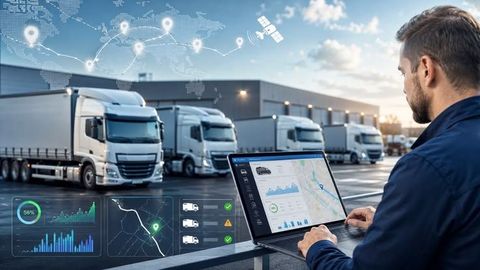
Commercial fleet management software is a digital system that helps businesses manage company-owned vehicles. It combines information such as vehicle location, fuel consumption, maintenance schedules, driver behavior, and service history into one dashboard.
In the United States, fleet operators in industries like logistics, construction, utilities, landscaping, field services, and transportation increasingly rely on these platforms to improve efficiency. Instead of waiting for a vehicle to break down, businesses can schedule preventive maintenance, monitor fuel usage, and receive alerts when potential issues appear.
For companies with growing fleets, manually tracking maintenance records or fuel receipts can quickly become time-consuming. Fleet management software automates much of this work, helping managers spend less time on paperwork and more time improving operations.
How Fleet Management Software Helps Reduce Costs
Every fleet operates differently, but most businesses focus on three major expenses: fuel, maintenance, and vehicle downtime. Modern fleet software offers tools that address each of these areas.
Common Features and Their Benefits
| Feature | Typical Benefit | Best For |
|---|---|---|
| GPS Fleet Tracking | Improves route planning and reduces unnecessary mileage | Delivery and service fleets |
| Maintenance Scheduling | Helps prevent unexpected repairs | Businesses with aging vehicles |
| Fuel Monitoring | Tracks fuel usage and identifies waste | Small and large commercial fleets |
| Driver Behavior Reports | Encourages safer and more efficient driving | Companies managing multiple drivers |
Fuel Savings
Fuel is often one of the largest operating expenses for commercial fleets. Fleet management software can identify inefficient routes, unnecessary idling, and excessive speeding, all of which increase fuel consumption. Managers can review reports and make adjustments that improve fuel efficiency over time.
Reduced Downtime
Unexpected breakdowns can delay deliveries and increase repair costs. Maintenance reminders based on mileage, engine hours, or manufacturer recommendations help businesses service vehicles before small issues become expensive repairs.
Lower Maintenance Costs
Instead of reacting to vehicle failures, businesses can plan regular inspections and routine servicing. Tracking maintenance history also helps identify vehicles that require frequent repairs, making it easier to decide whether continued maintenance or replacement is the better financial choice.
How to Choose Fleet Management Software
Step 1: Evaluate Your Fleet Size
Small businesses may only need basic GPS tracking and maintenance reminders, while larger organizations often benefit from advanced reporting, driver management, and compliance tools.
Step 2: Identify Your Biggest Cost Challenges
Determine whether your primary concern is reducing fuel expenses, improving maintenance planning, tracking vehicle locations, or increasing driver efficiency.
Step 3: Compare Features
Look for software that includes:
- GPS tracking
- Maintenance scheduling
- Fuel reporting
- Driver performance monitoring
- Mobile access
- Reporting and analytics
Step 4: Check Integration Options
Many businesses already use accounting, payroll, or dispatch software. Choosing a platform that integrates with existing business systems can reduce duplicate work.
Step 5: Consider Long-Term Value
Instead of focusing only on subscription pricing, compare the potential savings from lower fuel costs, fewer repairs, and improved vehicle availability.
Common Mistakes to Avoid
- Choosing software with features your business will never use.
- Ignoring employee training after implementation.
- Waiting until vehicles break down before scheduling maintenance.
- Failing to review reports and act on the collected data.
- Selecting a platform without considering future business growth.
Fleet management software delivers the most value when businesses actively use the information it provides rather than simply collecting data.
Frequently Asked Questions
How does fleet management software reduce fuel costs?
It helps identify inefficient routes, excessive idling, speeding, and other driving habits that increase fuel consumption. Managers can use these insights to improve fuel efficiency across the fleet.
Is fleet management software suitable for small businesses?
Yes. Many providers offer solutions designed for small fleets with only a few vehicles, while others support large commercial operations with hundreds or thousands of vehicles.
Can fleet management software reduce maintenance expenses?
It can help lower maintenance costs by scheduling preventive service, tracking repair history, and identifying recurring vehicle issues before they become major problems.
Does fleet management software require GPS tracking?
Many platforms include GPS tracking, but not every business needs advanced real-time monitoring. The right features depend on the company's operational needs and budget.
How much does commercial fleet management software cost?
Pricing varies based on the number of vehicles, available features, hardware requirements, and subscription plans. Businesses should compare both the upfront costs and the potential long-term savings when evaluating different solutions.
Conclusion
Managing a commercial fleet involves balancing operating costs, vehicle reliability, and day-to-day efficiency. Fleet management software gives businesses better visibility into fuel use, maintenance schedules, and vehicle performance, helping them make informed decisions over time. Before choosing a solution, compare available features, pricing, and support options to find a platform that fits your fleet's size and operational goals